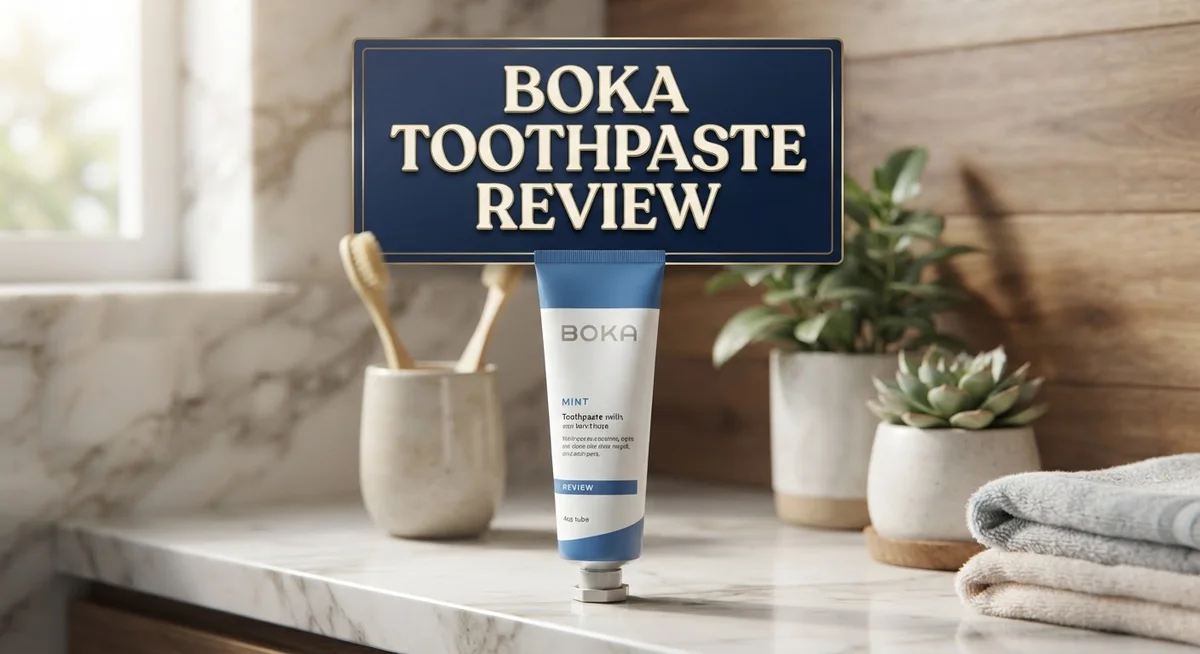
Boka Toothpaste Review 2026: Is It Worth The Price?
Boka toothpaste takes a different path to healthy teeth. It skips fluoride completely. Instead, it uses nano-hydroxyapatite, a mineral that mimics your natural tooth enamel.
This ingredient sounds high-tech. But does it actually work?
Many customers love it. Boka holds a strong 4.6-star rating from over 950,000 buyers. People praise it for reducing stains and easing tooth sensitivity.
But the story has another side. Some users report a very different experience. They mention increased sensitivity and even new cavities after long term use.
Is this fluoride-free formula truly effective? Or does it fall short where it matters most, actual cavity prevention?
This review breaks down the ingredients, the science, and genuine user experiences.
You will learn who this toothpaste helps most. You will also learn who might want to skip it. Let’s get into the details.
In a Nutshell
Here is the quick summary of what you need to know about Boka Toothpaste.
- No fluoride here. Boka relies on nano-hydroxyapatite instead. This mineral works to rebuild tooth enamel naturally.
- Stain removal works well. The silica formula helps polish away surface stains. Many users notice brighter teeth over time.
- Sensitivity relief is a big draw. People with sensitive teeth often feel less discomfort. This makes daily brushing more comfortable for them.
- Results vary by user. Some customers report great outcomes. Others mention new sensitivity issues or cavities after switching.
- Reviews tell two different stories. Amazon ratings show strong satisfaction overall. Trustpilot reviews reveal a much rougher experience for some buyers.
- Fluoride remains the gold standard for cavity prevention. Boka offers a gentler approach, but it may not match fluoride’s proven protection.
This toothpaste suits people who want a natural option first. It may not be the best fit if cavity prevention is your top concern.
Active Ingredients and Formula
Boka toothpaste centers on nano-hydroxyapatite (n-Ha) as its star player. This ingredient mimics the mineral structure of your natural tooth enamel. Your teeth actually contain hydroxyapatite, so this formula works with your body’s own chemistry.
The nano-hydroxyapatite particles are extremely small. This size matters because smaller particles can penetrate micro-cracks in your enamel. Once there, they help rebuild and strengthen the outer layer of your teeth. This process is called remineralization, and it happens without fluoride.
Boka also packs high-cleaning silica into the formula. Silica acts as a gentle abrasive that polishes away surface stains. It removes discoloration from coffee, tea, and red wine without being too harsh. Many users notice whiter teeth after regular brushing.
The formula is completely fluoride-free. This appeals to people who prefer avoiding fluoride entirely. However, fluoride remains the gold standard for cavity prevention according to dental research. Without it, you’re relying entirely on n-Ha for enamel protection.
Boka offers multiple versions for different needs. The whitening formula includes extra stain-fighting power. The sensitivity formula adds soothing ingredients for tender teeth. This variety lets you pick what matches your specific concerns.
The ingredient list focuses on natural components. You won’t find artificial sweeteners or harsh chemicals in most Boka formulas. This approach attracts customers seeking cleaner ingredient labels.
The real question is effectiveness. Amazon reviews show strong customer satisfaction overall. However, Trustpilot tells a different story with much lower ratings. Some users report increased sensitivity or cavity development after extended use. Others swear by the results.
The lack of fluoride creates a genuine trade-off. You gain a natural, biomimetic approach. You lose the proven cavity-fighting power that fluoride provides. Your choice depends on whether you prioritize natural ingredients or maximum cavity prevention.
Boka’s formula works best for people with sensitive teeth who want to avoid fluoride. It excels at stain removal and enamel remineralization. If cavity prevention is your top priority, fluoride toothpastes remain the stronger option.

- ENAMEL CARE: Our proprietary and innovative formula includes Nano-hydroxyapatite (n-Ha) - a biomimetic mineral form of the same...
- FLUORIDE-FREE: Gentle for daily use as directed, our nano hydroxyapatite toothpaste is science-backed and nature-inspired. Regular...

Last update on 2026-10-08 / Affiliate links / Images from Amazon Product Advertising API
Whitening and Stain Removal Performance
Boka’s whitening performance centers on its high-cleaning silica formula. This ingredient works by gently polishing away surface stains that sit on your enamel. Most users report visible results within a few weeks of regular brushing.
The nano-hydroxyapatite in Boka also plays a role here. This mineral mimics your natural tooth structure and can help restore a brighter appearance as your enamel strengthens. The two ingredients work together to tackle discoloration from coffee, tea, and everyday wear.
Real customer feedback shows mixed results on stain removal. Many Amazon reviewers praise the whitening effect and notice their teeth look cleaner. However, some users found the whitening action slower compared to fluoride-based whitening toothpastes.
Here’s what matters most: surface stain removal works well for most people. Boka excels at lifting external stains. If your discoloration comes from surface buildup, you’ll likely see improvement. Deeper stains or intrinsic discoloration (stains inside the tooth) won’t respond as well to any toothpaste.
The Trustpilot reviews reveal a concern worth noting. Some customers reported that their teeth became more sensitive during whitening, or they didn’t see dramatic changes. This suggests results depend heavily on your starting point and tooth type.
Boka performs best for people seeking gentle whitening without harsh chemicals. If you have sensitive teeth and want to avoid aggressive whitening agents, this toothpaste offers a realistic middle ground. You get stain removal without the irritation that stronger formulas cause.
One important detail: Boka’s whitening action doesn’t include the chemical bleaching found in professional treatments. This means faster results are unlikely. Instead, expect gradual improvement through consistent use over several weeks.
The silica component does its job well for daily maintenance. It prevents new stains from settling in as quickly. Think of it as a preventative tool that also addresses existing marks.
For best results, pair Boka with good oral habits. Regular brushing, limiting staining beverages, and professional cleanings enhance the whitening effect. Boka works as part of your routine, not as a standalone solution for serious discoloration.
Sensitivity Relief and Enamel Remineralization
Boka’s sensitivity relief comes from its nano-hydroxyapatite core. This mineral mimics your natural tooth enamel and works to rebuild weakened areas.
When you use Boka, the n-Ha particles bond to exposed dentin. This layer sits beneath your enamel and contains tiny tubes. When these tubes stay open, cold water and sweet foods trigger pain. The n-Ha seals these pathways and reduces that sharp sensation over time.
Remineralization happens gradually. Your teeth don’t repair overnight. Most users notice sensitivity improvement within one to two weeks of regular brushing. The process continues as you keep using the toothpaste daily.
The fluoride-free approach matters here. Fluoride does prevent cavities, but some people experience increased sensitivity when using fluoride products. Boka skips this ingredient entirely. This makes it a solid choice if fluoride causes you discomfort or if you prefer natural alternatives.
Here’s what concerns some customers. A few users report that sensitivity actually worsened after extended use. Others mention cavity development over time. These reports appear on Trustpilot more often than on Amazon. The lack of fluoride may play a role since fluoride remains the gold standard for cavity prevention.
The remineralization angle is real though. Studies show that nano-hydroxyapatite does rebuild enamel surface structure. Your teeth become smoother and stronger. This benefit extends beyond just sensitivity relief. You also get better enamel health overall.
Boka works best for people with mild to moderate sensitivity who want to avoid fluoride. If your sensitivity stems from gum recession or worn enamel, this toothpaste can help. If you have severe cavities or cavity risk, you may need a fluoride option instead.
The silica formula also supports remineralization indirectly. By removing surface stains and buildup, it lets your enamel breathe. Clean enamel absorbs minerals more effectively. This creates a helpful cycle for sensitivity relief and enamel strength.
Top 3 Alternatives
Sensodyne Pronamel Toothpaste

- Four tubes of Fresh Mint flavored Sensodyne Pronamel Gentle Whitening Enamel Toothpaste for Sensitive Teeth
- #1 Dentist Recommended toothpaste for Protecting and Strengthening Enamel
Last update on 2026-10-08 / Affiliate links / Images from Amazon Product Advertising API
Sensodyne Pronamel works well for people with sensitive teeth. This toothpaste protects your enamel from acid damage. It strengthens weak enamel and reduces tooth sensitivity over time.
The formula contains fluoride to fight cavities. Many users notice less pain when drinking hot or cold beverages. This option suits anyone who struggles with sensitivity issues.
Crest 3D Whitening

- 19 levels whiter in 22 days
- #1 dentist recommended at-home teeth whitening brand*
Last update on 2026-10-08 / Affiliate links / Images from Amazon Product Advertising API
Crest 3D Whitening gives you a brighter smile. This toothpaste removes surface stains from coffee, tea, and wine. The whitening effect becomes visible within a few weeks of regular use.
The formula includes fluoride for cavity protection. It works best if you brush twice daily. Users love the fresh mint flavor and the noticeable whitening results. This product appeals to people who want a whiter smile without expensive treatments.
Tom’s of Maine Toothpaste
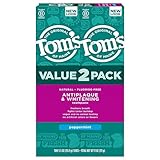
- WHAT’S INCLUDED: Two (2) 5.5 oz tubes of Tom's of Maine Antiplaque and Whitening Fluoride Free Toothpaste, Peppermint Toothpaste...
- WHITENS TEETH AND FIGHTS TARTAR: This whitening antiplaque toothpaste pack helps whiten teeth by removing surface stains and helps...
Last update on 2026-10-08 / Affiliate links / Images from Amazon Product Advertising API
Tom’s of Maine offers a natural toothpaste option. This brand uses plant-based ingredients instead of artificial chemicals. The formula contains no artificial sweeteners, colors, or preservatives.
This toothpaste works great for people with sensitive gums. It provides fluoride protection and fresh breath benefits. Many users appreciate that Tom’s of Maine supports sustainable practices. The brand appeals to eco-conscious shoppers who want natural oral care products.
Each of these three alternatives serves different needs. Choose Sensodyne Pronamel if sensitivity bothers you. Pick Crest 3D Whitening if you want a brighter smile. Select Tom’s of Maine if you prefer natural ingredients. All three options deliver effective cleaning and protection for your teeth.
Customer Reviews and Ratings
Boka toothpaste earns a 4.6 star rating from over 950,000 customers, which shows strong overall approval. Many users report noticeable improvements in tooth sensitivity and enamel strength within weeks of regular use.
Real customers praise the gentle formula for daily brushing. People with sensitive teeth frequently mention relief after switching to Boka. Parents also appreciate the fluoride-free option for younger users who want natural oral care.
However, the picture becomes more complex on Trustpilot. The platform shows a 2.5 star rating across 28 reviews, revealing significant concerns. Some customers report increased tooth sensitivity and cavity development after extended use. This gap between Amazon and Trustpilot ratings suggests varied experiences depending on individual tooth health.
Customer feedback reveals three main themes. First, people with mild sensitivity see real improvement. Second, users seeking natural ingredients feel satisfied with the formula. Third, some customers experience unexpected problems like heightened sensitivity or decay despite regular brushing.
The fluoride question divides opinions. Customers who switched from fluoride toothpastes sometimes notice changes in cavity prevention. Reviewers emphasize that fluoride remains the proven cavity fighter, and Boka’s nano-hydroxyapatite approach works differently. This matters most for people with cavity-prone teeth.
Stain removal feedback leans positive. Most customers see surface stains fade gradually with consistent use. The high-cleaning silica formula performs well for daily maintenance. However, users expecting dramatic whitening results sometimes feel disappointed.
Long-term use reports vary significantly. Some customers use Boka for years without problems. Others notice sensitivity increases or cavity formation after several months. This inconsistency suggests individual tooth chemistry plays a major role in results.
The verdict from real users: Boka works best for people with mild to moderate sensitivity who prioritize natural ingredients over fluoride protection. Users with healthy teeth and no sensitivity concerns may see good results. However, people with cavity-prone teeth or severe sensitivity should consider this carefully before switching from fluoride-based options.
Fluoride-Free vs. Fluoride Toothpaste: What You Need to Know
Fluoride remains the gold standard in cavity prevention. Dental organizations worldwide recommend it because decades of research show it strengthens enamel and stops decay. Fluoride works by remineralizing weak spots before cavities form.
Boka takes a different path. It uses nano-hydroxyapatite (n-Ha) instead, a mineral that mimics your natural tooth structure. This approach appeals to people who want to avoid fluoride for personal reasons. The science behind n-Ha is real. Studies show it can remineralize enamel and reduce sensitivity over time.
Here’s the key difference: fluoride has more research backing its cavity prevention claims. N-Ha shows promise, but fewer long-term studies exist comparing it directly to fluoride. If cavity prevention is your main goal, fluoride toothpastes have stronger evidence.
For Boka specifically, customer experiences reveal important patterns. Some users report improved sensitivity and whiter teeth. Others mention increased sensitivity and cavity development after extended use. The lack of fluoride concerns dentists who prioritize cavity prevention above all else.
The choice depends on your priorities. Choose fluoride if you want maximum cavity protection and have no concerns about the ingredient. Choose Boka if you prefer fluoride-free options and have mild to moderate sensitivity. Your individual risk matters too. People with high cavity risk benefit more from fluoride. Those with healthy teeth and mainly sensitivity issues may find n-Ha sufficient.
One important note: Boka’s 4.6 star rating from over 950,000 customers shows satisfaction with the product’s feel and taste. However, its Trustpilot score of 2.5 stars suggests some customers experienced problems over time. This gap hints that short-term experience differs from long-term results.
Talk to your dentist about your specific situation. They know your cavity risk, enamel strength, and sensitivity level. They can recommend whether fluoride or fluoride-free options suit you best. Neither choice is wrong. The right choice matches your actual needs and health goals.
Pros and Cons
Pros
- Contains nano-hydroxyapatite, a natural mineral that mimics your tooth enamel and helps rebuild it over time
- Removes surface stains effectively through high-cleaning silica, so your teeth look brighter with regular brushing
- Soothes tooth sensitivity by bonding n-Ha particles to exposed dentin, offering relief without fluoride
- Supports a healthier oral microbiome, which some users prefer for natural oral care
- Earns a 4.6 star rating from over 950,000 customers who appreciate the gentle formula
Cons
- Lacks fluoride, the gold standard ingredient for cavity prevention that has decades of research backing it
- Some users report increased tooth sensitivity and cavity development after extended use, raising concerns about long-term safety
- Scores only 2.5 out of 5 stars on Trustpilot, showing a significant gap between customer satisfaction on different platforms
- Works best for mild to moderate sensitivity, so it may not suit people with severe dental issues or those seeking maximum cavity protection
Who Should Buy It
Boka Toothpaste works best for specific groups of people. Your needs matter most when choosing a toothpaste.
People with mild to moderate tooth sensitivity should consider Boka. The nano-hydroxyapatite formula bonds to exposed dentin and reduces discomfort over time. This approach appeals to those who want sensitivity relief without relying on fluoride-based options.
Individuals prioritizing natural ingredients find Boka attractive. The formula skips fluoride and focuses on biomimetic minerals instead. If you prefer plant-based and chemical-light oral care, this toothpaste aligns with your values.
Those seeking surface stain removal get real results. The high-cleaning silica works gradually to fade stains from coffee, tea, and wine. Regular brushing shows visible brightening within weeks for many users.
People interested in oral microbiome health appreciate Boka’s approach. Some users prefer supporting natural mouth bacteria balance rather than using fluoride. This matters if you’ve researched oral microbiome science and want to apply it.
Customers who tolerate slower results do well with Boka. Unlike fluoride toothpastes with decades of cavity prevention research, Boka takes a different path. You need patience and realistic expectations about timeline.
Skip Boka if you have high cavity risk. Fluoride remains the gold standard for cavity prevention. If your dentist recommends fluoride, listen to that guidance. Boka doesn’t replace fluoride’s proven cavity-fighting power.
Avoid Boka if you experience worsening sensitivity. Some users report increased sensitivity after extended use. Your teeth might respond differently than others do. Stop use and consult your dentist if this happens.
People with severe sensitivity may want to start elsewhere. While Boka helps mild cases, severe sensitivity often needs fluoride-based desensitizing formulas first.
The bottom line: Talk to your dentist before switching. They know your specific mouth health, cavity risk, and sensitivity patterns. Boka works wonderfully for the right person. Make sure you’re that person based on professional guidance, not just marketing claims.
Final Verdict
Boka Toothpaste earns mixed signals across review platforms. Amazon shoppers love it, but Trustpilot users show more caution. This gap tells a bigger story about individual results varying widely.
Your final decision should rest on personal dental history. If your teeth handle new products well, Boka offers a gentle alternative worth trying. If you have a history of frequent cavities, proceed carefully.
Long term monitoring matters most with this toothpaste. Since some users report sensitivity or cavities after months of use, regular dental checkups become essential. Your dentist can catch problems before they grow serious.
Think of Boka as a trial, not a permanent switch. Give it a few months and track how your mouth responds. Watch for any new sensitivity or discomfort during this window.
Boka fits best into a broader oral care routine. Pair it with proper brushing technique and regular flossing. No toothpaste alone can replace consistent oral hygiene habits.
For those wanting extra research backing, Risewell offers a similar hydroxyapatite based option. Comparing formulas across brands helps you make a confident choice.
The bottom line stays simple. Boka shines for people wanting natural ingredients and gentle stain removal. It works less reliably for those needing strong cavity protection.
Weigh your personal risk factors before committing fully. Some people thrive with Boka for years. Others switch back to fluoride after noticing changes in their teeth.
Trust your own mouth over marketing claims. Every person’s oral chemistry reacts differently to new ingredients. What works wonderfully for one user might disappoint another.
Boka remains a solid pick for cautious experimentation. Just stay alert, stay consistent, and stay in touch with your dentist throughout the process. That combination gives you the safest path forward with any toothpaste switch.
Frequently Asked Questions
Does Boka Toothpaste prevent cavities?
Boka uses nano-hydroxyapatite (n-Ha) instead of fluoride. While n-Ha helps remineralize enamel, fluoride remains the gold standard for cavity prevention with decades of research backing it. If you have high cavity risk, fluoride toothpaste offers stronger protection. Boka works better for people focused on gentle, natural care rather than maximum cavity defense.
Will Boka make my sensitive teeth worse?
Most users find relief from sensitivity because n-Ha bonds to exposed dentin. However, some customers report increased sensitivity after extended use. This varies by person. Start with a small amount and monitor your teeth for two to four weeks. If sensitivity worsens, switch back to your previous toothpaste. Long term monitoring matters most with this product.
How does Boka compare to other fluoride-free brands?
Boka and Risewell both use hydroxyapatite as their main active ingredient. The key difference lies in formula specifics and personal response. Both support enamel remineralization and appeal to people wanting natural ingredients. Your choice depends on which formula feels better in your mouth and how your teeth respond over time.
Can I use Boka if I have cavities already?
Boka helps prevent new cavities through remineralization, but it cannot fill existing cavities. Visit your dentist to treat current cavities first. After treatment, Boka works well as part of a maintenance routine alongside proper brushing and flossing.
Should I switch completely to Boka?
Think of Boka as a trial, not a permanent switch. Pair it with proper brushing technique and regular flossing for best results. If your teeth handle new products well, Boka offers a gentle option. If you notice problems, return to your regular toothpaste. Your final decision should rest on your personal dental history and how your teeth respond.

Sarah is the founder and lead reviewer behind Wise Choices Blog. With a passion for helping people make informed purchasing decisions, she combines her background in consumer research with hands-on product testing to deliver honest, comprehensive reviews.